

Gulf Arabic Phrases: 25 Essential Phrases for Everyday Use
You land in Dubai, Riyadh, or Doha, and the Arabic you learned from a textbook does not match what people actually say to each other. The greetings are shorter, the words are different, and everyone seems to say "yalla" every five minutes. That is Gulf Arabic, the everyday language of the Arabian Gulf, and a small set of Gulf Arabic phrases will change how people respond to you. You do not need fluency to get the benefit. A good greeting, a warm thank you, and the right words in a shop or taxi will open doors that English alone does not.
This guide gives you 25 essential Gulf Arabic phrases for everyday use, with the Arabic script, a simple pronunciation guide, the meaning, and notes on when to use each one. You will also learn how Gulf pronunciation differs from standard Arabic, which words are unique to the Gulf, and the small etiquette points that keep you on the right side of polite.
Table of Contents
- What Is Gulf Arabic?
- 25 Essential Gulf Arabic Phrases for Everyday Use
- Gulf Pronunciation Tips That Make You Sound Natural
- Gulf Words That Differ From Standard Arabic
- Practice Gulf Arabic on Your Phone With Baraem
- Etiquette: Using Gulf Phrases Well
- FAQs About Gulf Arabic Phrases
- Conclusion
What Is Gulf Arabic?
Gulf Arabic, called Khaleeji by its speakers, is the dialect spoken along the Arabian Gulf coast: in Kuwait, Bahrain, Qatar, the United Arab Emirates, eastern Saudi Arabia, and parts of Oman. It is the language of home, family, the majlis, and daily life. Modern Standard Arabic is the formal language of news, books, and school, and everyone in the Gulf understands it, but almost nobody uses it to greet a friend or order coffee. If you want to speak with people rather than read at them, the dialect is what you need.
Gulf Arabic differs from standard Arabic in pronunciation, vocabulary, and some grammar, but the two share the same alphabet, the same roots, and much of the same core vocabulary. A learner who knows standard Arabic can follow Gulf speech with practice, and a learner who starts with Gulf phrases can still read standard Arabic, because the script is the same. The differences between Gulf countries are real but small: an Emirati, a Saudi, and a Kuwaiti understand each other easily, and the phrases in this guide work across the region. Where a phrase leans toward one country, the notes say so. For a wider phrase list with dialect-by-dialect comparisons, OpenArabic's Gulf Arabic resources are a useful reference.
One habit to build from the start: learn each phrase with its sound, not just its spelling. Gulf pronunciation has its own music, and the same phrase written in Latin letters can look very different from how it sounds. Listen to native speakers, repeat out loud, and use the phrases in real moments as soon as you can.
25 Essential Gulf Arabic Phrases for Everyday Use
The phrases are grouped by situation. Learn the greetings first, because you will use them ten times a day, then add the courtesies, then the shopping and directions groups as you need them.
Greetings and Goodbyes
1. As-salamu alaykum — السلام عليكم — Peace be upon you. The standard greeting across the Gulf, used in shops, offices, and homes. The reply is wa alaykum as-salam (وعليكم السلام), "and peace be upon you too". Use it when you enter a place and when you greet someone older than you. It is respectful in every setting, formal or casual.
2. Hala — هلا — Hi, welcome. The warm Gulf greeting, often stretched out as "hala wallah" (هلا والله), which means something like "welcome, truly, you are welcome here". You will hear it the moment you walk into a shop or someone's home. Answer with "hala" back, or "hala wallah" if you want to match the warmth.
3. Shlonak / shlonich — شلونك / شلونچ — How are you? Shlonak is for a man, shlonich for a woman. This is the Gulf way of asking, where standard Arabic says "kayf halak". The usual answer is "zain, alhamdulillah" (good, praise be to God), which you will hear constantly. The "ch" sound at the end of the feminine form is a Gulf signature: listen for it and you will start recognising Gulf speech anywhere.
4. Sabah al-khair — صباح الخير — Good morning. Use it until around noon. The reply is sabah an-noor (صباح النور), "morning of light". Morning greetings matter in the Gulf, and skipping them can feel abrupt. Take the extra second.
5. Masa al-khair — مساء الخير — Good evening. The evening greeting, with the reply masa an-noor (مساء النور). Use it from late afternoon onward, when you meet someone, enter a restaurant, or start a phone call.
6. Tasharrafna — تشرفنا — Pleased to meet you. Say it when you are introduced to someone, right after names are exchanged. It is polite, slightly formal, and always well received. The reply is usually "tasharrafna" back, or "allah yisharrifak", a blessing in return.
7. Ma'a salama — مع السلامة — Goodbye, go with peace. The everyday goodbye, used when leaving a shop, an office, or a friend's home. For a warmer goodbye to a host, you can add "allah yisallmak" (may God keep you safe), which you will often hear in return.
Thanks, Please, and Everyday Courtesies
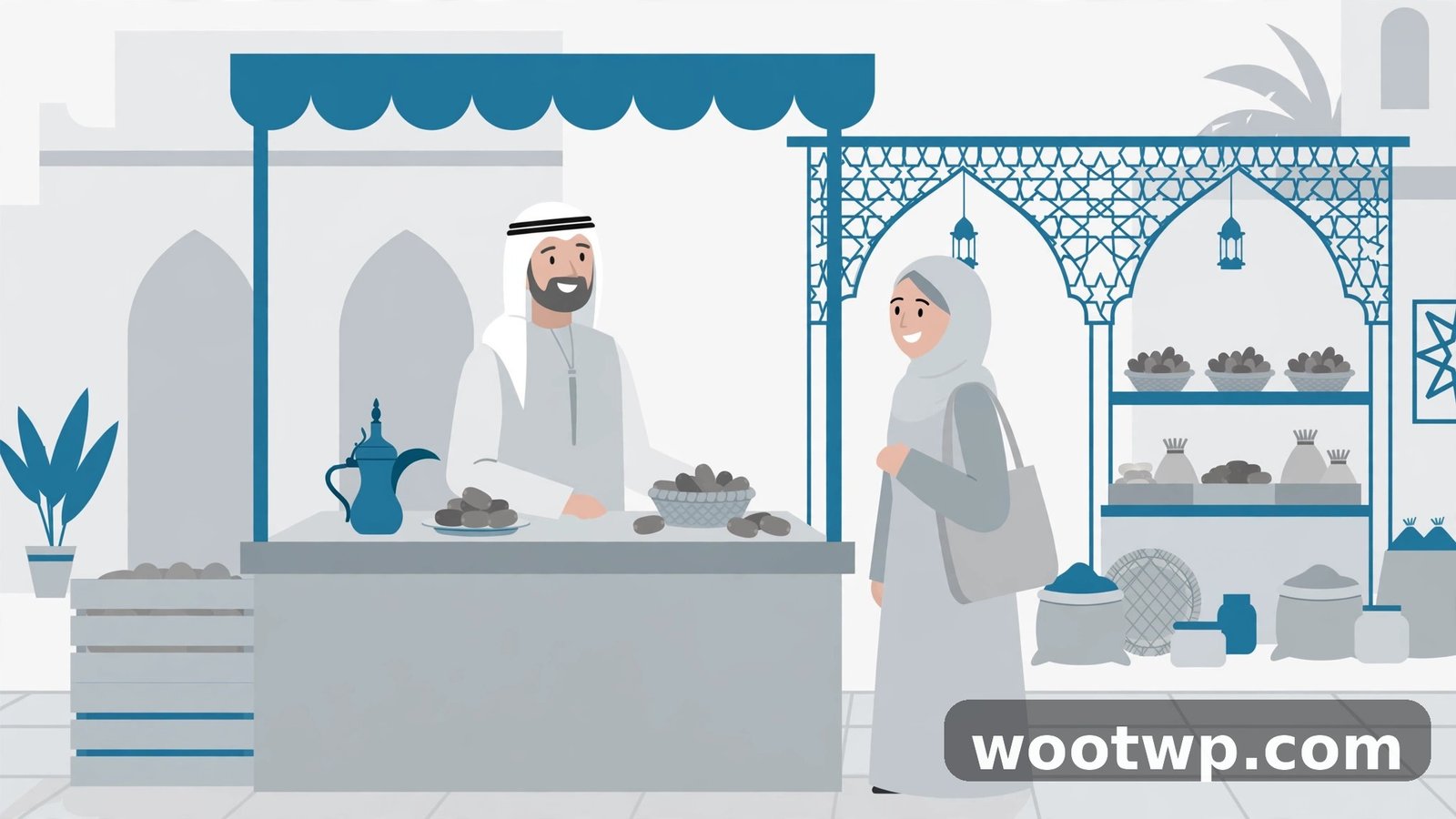
8. Shukran — شكراً — Thank you. Understood everywhere in the Arab world and used constantly in the Gulf. Say it to drivers, waiters, shopkeepers, and anyone who helps you. A smile with it goes a long way.
9. Mashkoor / mashkoora — مشكور / مشكورة — Thank you (Gulf style). Mashkoor is for a man speaking, mashkoora for a woman speaking. This is the Gulf-flavoured thank you, warmer and more local than shukran, and people notice when a visitor uses it. Use it when someone has gone out of their way for you.
10. Afwan — عفواً — You are welcome, excuse me. Afwan does double duty: it answers "shukran" (you are welcome) and it gets attention politely (excuse me). If you bump into someone or need to pass, a quick "afwan" smooths it over.
11. Law samaht — لو سمحت — Please, excuse me, if you allow. Use it when asking for something or getting someone's attention: "law samaht, wayn al-matar?" (excuse me, where is the airport?). It softens any request and marks you as polite. In the Gulf you will also hear "law samahti" when speaking to a woman.
12. Mumkin — ممكن — Can I, is it possible? The everyday word for asking: "mumkin qahwa?" (can I have a coffee?), "mumkin asaa'dak?" is the other way round, but as a learner you mostly need "mumkin" plus a noun. It turns a demand into a request, which matters in Gulf manners.
13. Inshallah — إن شاء الله — God willing. You will hear this in almost every conversation about the future: "see you tomorrow?" "Inshallah." It is part of everyday speech, not only a religious phrase, and using it shows you understand how people actually talk. Use it when you agree to a plan or hope something happens.
14. Masha'allah — ما شاء الله — God has willed it. Said when admiring something: a new car, a nice home, a healthy child. It carries the meaning that you admire without envy. Use it when someone shows you something they are proud of, and you will sound like you belong.
Shopping and Money
15. Kam hatha? — كم هذا؟ — How much is this? The first shopping phrase to learn. In Gulf speech you will often hear it as "cham hatha?", because the "k" sound often becomes "ch" in Gulf Arabic. Point at the item and ask. Shopkeepers understand both versions, so use whichever comes out.
16. Ghali — غالي — Expensive. Say it with a smile when the price surprises you, and it usually starts a friendly negotiation. "Ghali wayid" (very expensive) is the stronger version, and it often earns a laugh and a better price.
17. Rakhis — رخيص — Cheap. The opposite of ghali. Use it when you are pleased with a price, or when comparing two items: "hatha rakhis" (this one is cheap). It is a casual word, fine in markets and shops.
18. Abi hatha — أبي هذا — I want this. Abi means "I want" in Gulf Arabic, where standard Arabic says "urid". Say "abi hatha" and point, or add the item: "abi qahwa" (I want a coffee). It is direct but not rude when said with a smile and a "law samaht" before it.
Getting Around
19. Wayn? — وين؟ — Where? The Gulf word for "where", where standard Arabic says "ayna". Combine it with a place: "wayn al-matar?" (where is the airport?), "wayn al-funduq?" (where is the hotel?). Taxi drivers hear it all day, and it is the single most useful direction word you can learn.
20. Yameen / yasaar — يمين / يسار — Right / left. Give directions or follow them: "ala al-yameen" (on the right), "ala al-yasaar" (on the left), "ala tool" (straight ahead). These three will get you through most direction exchanges without switching to English.
21. Yalla — يلا — Let's go, hurry up. The Gulf's favourite word. It means let's go, come on, or hurry up, depending on tone. "Yalla" from a driver means it is time to leave. "Yalla, nimshi" means let's go. Use it with friends, not with elders or in formal settings, where it can sound pushy.
Food, Drink, and Small Talk
22. Qahwa / chay — قهوة / شاي — Coffee / tea. Arabic coffee (qahwa) is served in small cups, often with dates, and in Gulf speech it is pronounced "gahwa". Tea is "chay" in Gulf speech, with the "ch" sound again. Accepting a cup when offered is good manners, and "qahwa, law samaht" will get you served anywhere.
23. Ladheedh — لذيذ — Delicious. Say it about food and you will make the cook's day. "Al-akl ladheedh" means "the food is delicious". It is one of those words that earns an instant smile, because people love hearing that their food is appreciated.
24. Zain — زين — Good, fine. The Gulf all-purpose word for good. "Zain" answers "shlonak?", describes a good meal, a good price, or a good day. "Wayid zain" means very good. It is the word you will use most after the greetings, so learn it early.
25. Ma a'raf — ما أعرف — I don't know. The honest phrase that saves you from nodding along to something you did not understand. Say "ma a'raf" and people will slow down, repeat, or switch to simpler words. Pair it with "mumkin taeed?" (can you repeat?) once you are comfortable, and conversations get much easier.
Two more words you will hear daily, worth knowing even though they did not make the numbered list: "khalas" (خلاص), meaning done, enough, or finished, which ends conversations, meals, and negotiations; and "mu fahim" (مب فاهم) for a man or "mu fahma" (مب فاهمة) for a woman, meaning "I don't understand", which is the Gulf version of the standard "la afham".
Gulf Pronunciation Tips That Make You Sound Natural
Gulf pronunciation has a few patterns that, once you hear them, make the whole dialect easier to follow.
- The "q" often becomes "g". Qahwa (coffee) is said "gahwa". The same shift happens in many everyday words. If you say "qahwa" with a "q", people will still understand you, but "gahwa" is how you will hear it.
- The "k" often becomes "ch". Kam (how much) is heard as "cham", and shay (tea) as "chay". The feminine ending in "shlonich" follows the same pattern. Listen for the "ch" and your ear will tune in fast.
- Vowels are shorter and quicker. Gulf speech runs faster than textbook Arabic, and short vowels often drop out in casual speech. "Shlonak" can sound like "shlonk" in fast conversation. Do not worry about copying the speed. Speak clearly and a little slowly, and you will be understood.
- Stress the long syllable. In most Gulf words the stress falls on a long vowel or a heavy syllable. Listen for which part of the word is louder, and copy that, rather than stressing every syllable evenly the way English does.
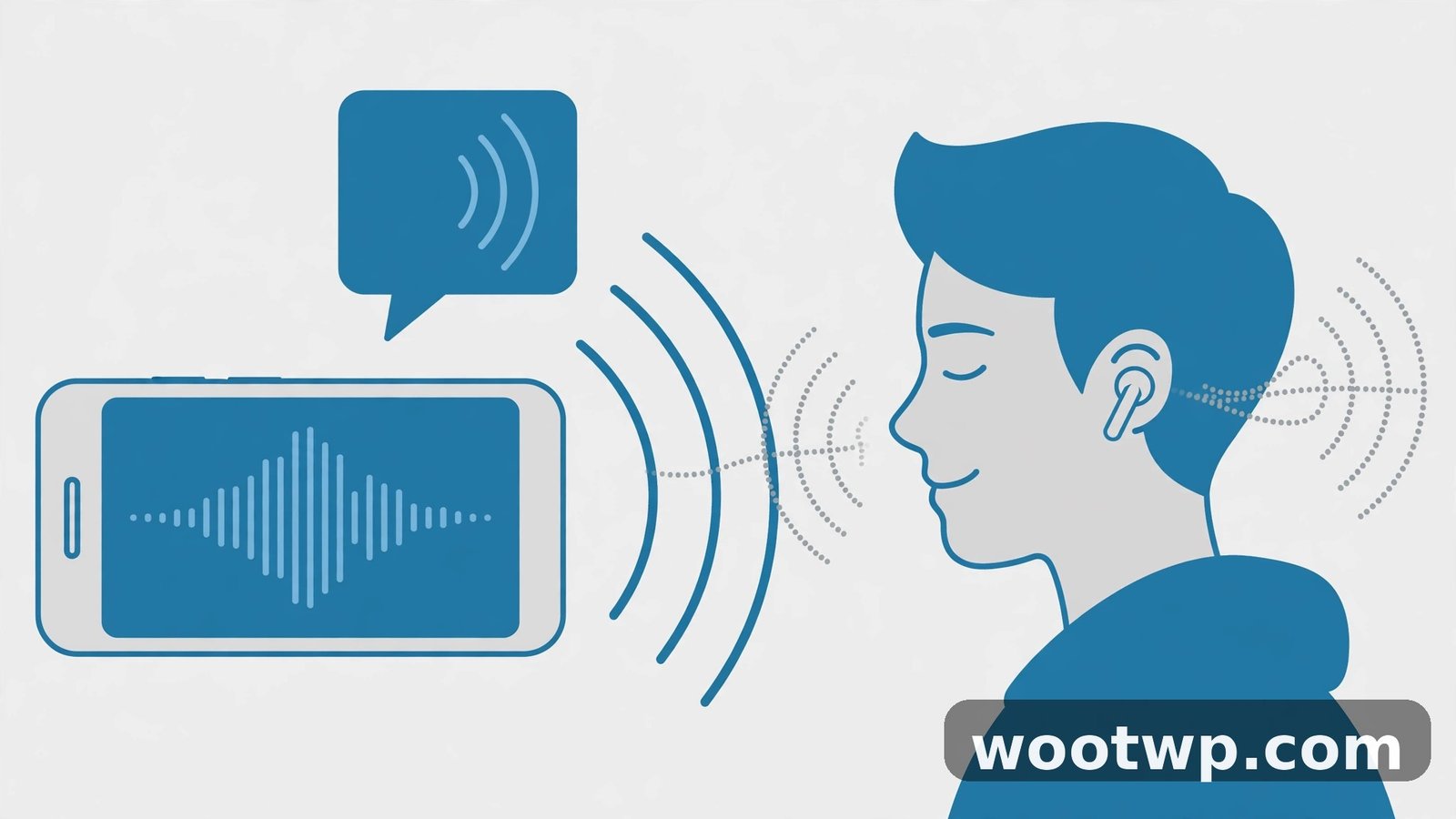
- Practise out loud, not in your head. Pronunciation lives in your mouth, not in your eyes. Say each phrase ten times, record yourself on your phone, and compare with a native speaker saying the same phrase. If you want a quick way to test yourself, speak a phrase to your phone's voice assistant and see whether it understands you. This guide to using Google Gemini as your phone assistant shows how to set that up, and it doubles as a free pronunciation check.
Gulf Words That Differ From Standard Arabic
Some Gulf words are completely different from their standard Arabic equivalents. Knowing the pairs stops confusion when a phrase you learned from a book never appears in conversation.
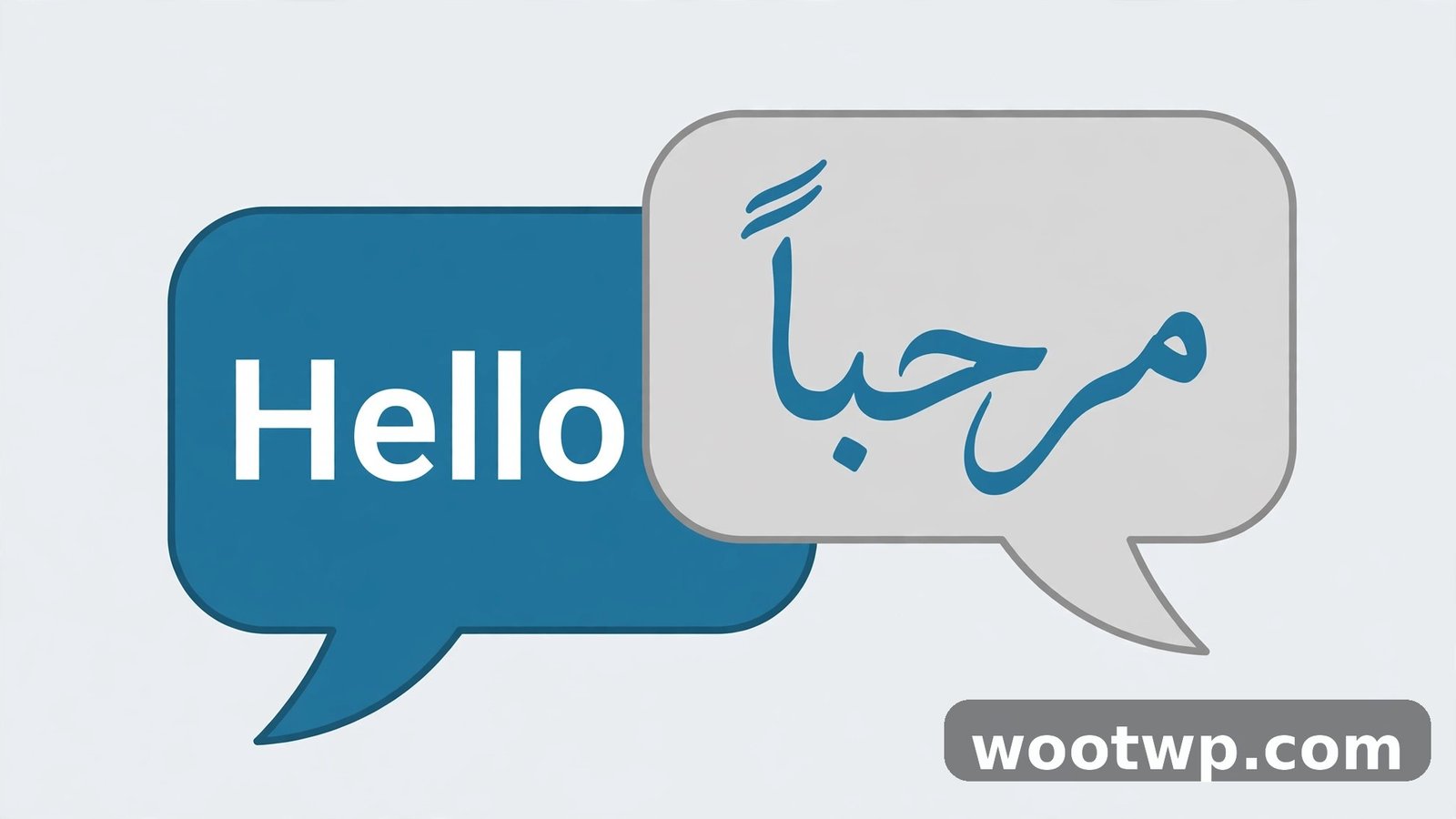
- Shlonak (Gulf) versus kayf halak (standard) for "how are you?"
- Wayn (Gulf) versus ayna (standard) for "where?"
- Shino (Gulf) versus matha (standard) for "what?"
- Abi (Gulf) versus urid (standard) for "I want"
- Zain (Gulf) versus jayyid (standard) for "good"
- Hala (Gulf) versus marhaban (standard) for "hello, welcome"
- Chay (Gulf) versus shay (standard) for "tea"
- Khalas (Gulf and widely used) versus intaha (standard) for "finished, done"
The grammar differs too, in small ways. Gulf Arabic often drops case endings, uses "rah" or "bi" for the future, and shortens common phrases. You do not need the grammar rules to use the phrases in this guide, but knowing that the differences exist will stop you from thinking you misheard something when a Gulf speaker says a familiar word in an unfamiliar way.
Practice Gulf Arabic on Your Phone With Baraem
Phrases stick when you hear them, say them, and meet them again the next day. Baraem: Arabic Learning has a Gulf dialect pack with phrases from Emirati, Saudi, and Kuwaiti speech, alongside the 320 themed vocabulary words, listening practice, and a guided learning path that sets your daily lessons. The lessons are in English, which suits beginners learning from English, and the app covers the alphabet, reading, grammar, and speaking practice too, so the phrases sit inside a full course rather than a bare phrase list. I covered the full feature list in this Baraem app overview.
The streak system keeps the habit visible, and the listening exercises train your ear for Gulf pronunciation, which is half the battle with a spoken dialect. Baraem is free to start on Android, with an optional Pro upgrade at $3.99 a month, $24.99 a year, or $49.99 for lifetime access. If you want to practise the phrases in this guide with audio and daily lessons, you can download Baraem free on Google Play and open the Gulf dialect pack.
Etiquette: Using Gulf Phrases Well
A few phrases used well beat a hundred used carelessly. Gulf manners are warm and hospitable, and small points of etiquette matter more than perfect grammar.
- Greet before business. Always open with "as-salamu alaykum" or "hala" before asking for anything, even in a shop. Jumping straight to a request feels abrupt.
- Use the right form for men and women. Gulf Arabic marks gender in "you" forms: shlonak for a man, shlonich for a woman, mashkoor and mashkoora for thanks. Getting the form right shows respect, and people will correct you gently if you mix them up.
- Accept hospitality graciously. If you are offered coffee or tea, accept at least a small cup. Refusing outright can feel like refusing friendship. A short "shukran" with a smile is enough.
- Use inshallah naturally. When someone says "see you tomorrow, inshallah", the expected answer is "inshallah". It is part of the rhythm of planning, not a refusal, and answering in kind shows you understand the conversation.
- Keep familiar words for friends. Words like "habibi" (my dear) are warm between friends and family, but they can feel too familiar with strangers or in formal settings. Stick to the greetings and courtesies in this guide until you know someone well.
- Use your right hand. Give and receive things, including business cards and money, with your right hand. It is a small point that people notice and appreciate.
FAQs About Gulf Arabic Phrases
Is Gulf Arabic different from Modern Standard Arabic?
Yes, but they share the alphabet, most vocabulary roots, and the core grammar. Gulf Arabic differs in pronunciation, some everyday words, and a few grammar habits. Standard Arabic is used in news and books, while Gulf Arabic is what people speak at home and in daily life. Learning Gulf phrases does not block you from standard Arabic, and the same 28 letters serve both.
Which Gulf dialect should I learn first?
Start with general Gulf phrases, the kind in this guide, which work across the region. Then lean toward the dialect of the place you spend the most time in: Emirati if you live in the UAE, Najdi Saudi if you are in Riyadh, Kuwaiti if you are in Kuwait. The differences between them are small, and speakers of one Gulf dialect understand the others easily.
Do people in the Gulf understand English?
English is widely spoken in Gulf cities, in shops, hotels, offices, and airports, and many daily tasks can be done entirely in English. Learning Gulf phrases is not about survival. It is about respect and connection: a greeting in Arabic changes the tone of an exchange, and people respond with more warmth and patience when you make the effort.
How do you say "how are you" in Gulf Arabic?
Say "shlonak" to a man and "shlonich" to a woman. The usual answer is "zain, alhamdulillah", meaning good, praise be to God. Where standard Arabic says "kayf halak", Gulf speakers say "shlonak", and using the Gulf form is what marks you out as someone who has listened to how people actually speak.
Is it rude to use dialect phrases as a foreigner?
No, it is welcomed. Gulf people are proud of their dialect and pleased when a visitor learns it. Mistakes are expected and forgiven, especially when the greeting is warm and polite. What matters is the effort and the manners around it, not perfect pronunciation.
What is the most useful Gulf Arabic phrase to learn first?
Learn "as-salamu alaykum" first, then "shlonak", then "shukran". Those three cover almost every first meeting: a respectful greeting, a friendly question, and a warm thank you. Add "hala" and "yalla" next, and you will already sound at home in everyday Gulf conversation.
Conclusion
Gulf Arabic phrases are a small investment with a large return. Learn the greetings, the courtesies, and the shopping and direction words in this guide, practise the Gulf pronunciation patterns, and use the phrases in real moments as soon as you can. You do not need fluency to be understood or welcomed. A good "hala", a correct "shlonak", and a sincere "mashkoor" will carry you through most days in the Gulf, and each conversation will teach you the next phrase. Start with the 25 phrases here, keep the habit daily, and the dialect will stop sounding foreign much sooner than you expect.